
Why We Should Work Together Now More Than Ever

Dance of the Universe
17th August 2017
Top 10 Alternatives to Plastic Bags
28th August 2017
Now that the election cloud is slowly drifting away hopefully for the next 5 years, let us get back to matters of concern: wildlife and environmental conservation. This sector I believe was ignored during the electioneering period. The environment should be at the top of the manifestos of all incoming elects, because it is critical for the survival of not only species and habitats but also people.
The proposed Amu Power Lamu Coal Plant and the impending Phase II of the Standard Gauge Railway, or is it the Madaraka Express, through Nairobi National Park, (whether it will pass above or on the ground) the ecosystem will still be affected. Kenya also expects to build a high speed express way from Mombasa to Nairobi. The main question is whether the wildlife crossing areas along Athi Kapiti and Tsavo ecosystem will be considered when vehicles are speeding at 120 kilometres per hour. These are projects of great apprehension both from a positive and negative outlook.
Related: Advocating for Clean Energy
Related: Saving Nairobi National Park
The truth is, we need development in our country to be able to sustain the growing human population and the basic needs required as well as create employment, but does the environment have to be the least of our concern?
The pressure for growth keeps increasing daily as governments in emerging countries seek to solve the daily challenges and concurrently create sustainable lifestyles for all its citizens. Whether or not the proposed projects are sustainable, enhance a country’s growth and are environmentally friendly, is a matter that has to be discussed by experts in all fields of engineering, agriculture, environmental conservation and any other concerned entity, over the course of any projects planning and construction phase.
We should, nonetheless, note, “it is unreasonable to expect individuals whose basic material needs have not been met to care strongly about the non-human world”. Environmentalism and conservation always appear to be very alien to many because of its concern for other beings other than humans and how these factors shape the planet. It has become a ‘white mans’ sole business, more so in African countries, as depicted by those who are perceived to involve themselves in matters of the environment.
Related: The Single Story of Conservation
The believe that conservation and economic development are separate issues among environmentalists/conservationists should be withdrawn from our ways of thinking. When we fail to pursue an approach that will protect both Kenya’s Natural resources and the country’s economic interest, we fail to realise that we may be enriching the developed world (who are involved in vast developmental projects) at the expense of Kenya’s natural resources.
Related: Conservation and Environmentalism: Is there a difference?
It should be duly noted how China, a country that has huge investment stakes in Africa, is largely unconcerned with its impact on ecological systems, especially those in other countries. There is the fear that foreign countries could take advantage of our natural resources among citizens in developing countries.
Maybe we should begin placing a price tag on all our natural resources. For example, in reference to the Amazon Forest, a World Bank report stated; for every acre of forest destroyed, a hundred dollars in long term social and environmental benefits are lost. This is a figure calculated from particular ecosystem services; from wood products derived from plantations in the forest, to the value of tourism to the Brazil economy, to the sequestration of carbon to prevent global warming.
“We can’t solve problems by using the same kind of thinking we used when we created them.” – Albert Einstein
As we seek to protect nature from human caused environmental interference, we should be aware of Kenya’s economic aspirations to lead in Africa. We should also remember the challenges that face the country such as the high rate of unemployment among the youth as well as the high cost of living.
The long term effect of protecting the environment is unlikely to be met when we do not consider the short term goals. We should reflect on how we can work together through these ongoing/upcoming challenging projects that touch base on conservation.
Out of all living things on Earth, only humans pay money to live.
(Inspiration adapted from Break Through: Why We Can’t Leave Saving the Planet to Environmentalists written by Ted Nordhaus and Michael Shellenberger. -Book review coming soon-)
Related: The Big Conservation lie Book Review and More
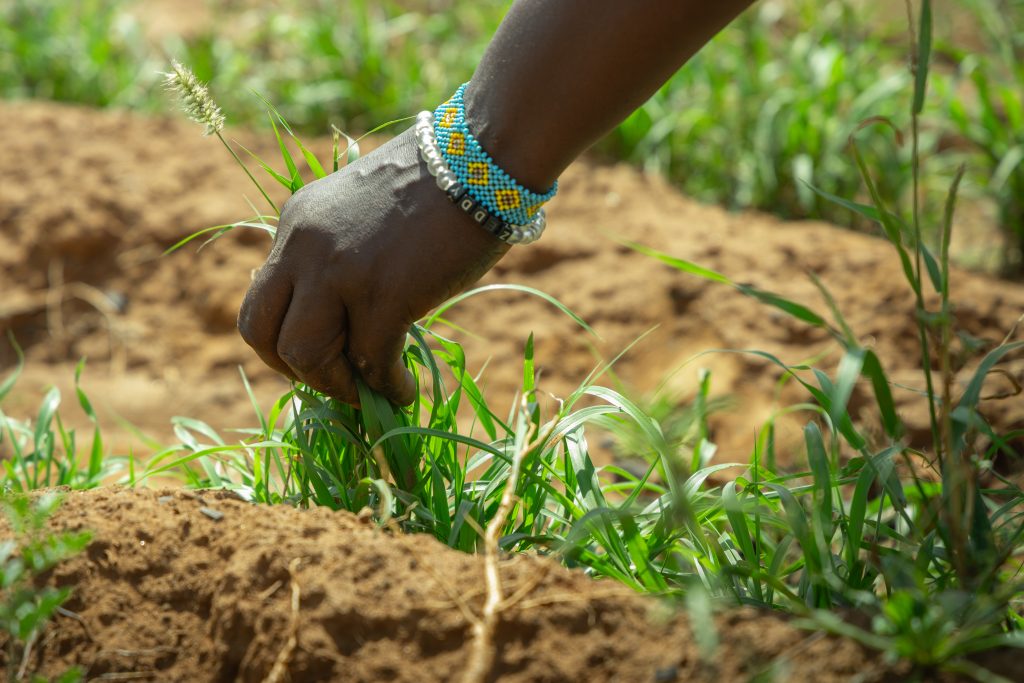
Featured Image: New Hope www.korenshadmi.com




3 Comments
This is why I would not like to miss even a single piece of your work. This article has brought some solution-based argument which sets it apart from mere noise. Thank you Vicki…
Thank you Cera for always reading.
[…] Why We Should Work Together Now More Than Ever […]