Why proper waste management should be a habit

Cricketers for Wildlife
12th June 2019
How we can take responsibility for our natural resources
25th June 2019Why proper waste management should be a habit

Waste is an eyesore. Once it gets into our beautiful protected areas, rivers, lakes and oceans it just looks careless, unreasonable and clearly defines who we are – a chaotic society.
On World Environment Day 2019, June 5th, President Uhuru Kenyatta announced a ban on the use of single-use plastic products in all protected areas – beaches, national parks and reserves, forests and conservancies in Kenya effective June 5th, 2020. This was a great call and definitely a way forward towards the reduction of single-use plastics in our country. Kenya is well known globally for banning the use, production, distribution and importation of plastic bags in Kenya which was implemented in 2017. For many people, this is needed, however, we still have a lot to do in protecting the places that provide immense ecosystem services – our biodiversity.
Plastic pollution is a huge menace to our country and we need to address it. Recycling is a last resort and even though the 2019 budget for Kenya has exempted VAT for services for plastic recycling plants and lower corporation tax for 5 years to 15 per cent for investors operating plastic recycling plants to promote waste management, more needs to be done on plastic pollution.
Visiting a protected area, leaving your waste, be it single-use plastic such as plastic bottles, plastic cups and plastic cutlery, organic waste such as fruit peels and other waste such as paper napkins, when you think of it, is not really logically. Many times I have done this, placing trash in the bins provided in protected areas hoping the authorities in charge will take care of it. I’m not perfect and neither am I asking for a utopic waste-free world.
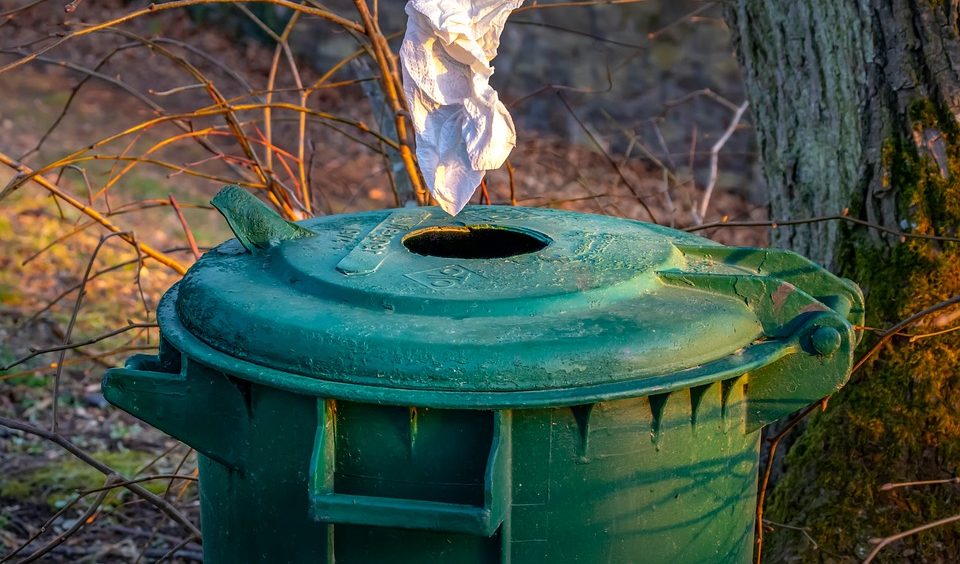
I’ve come to see or be involved in developing better solutions to bins in protected areas which will not be invaded by notorious and curious baboons and monkeys who are out here looking for the easiest meal a visitor to their home might have left. When you think of it, would you go to someone else’s home and leave your entire trash in their possession to deal with it? Why then do we do it in our protected areas?
Our protected areas are home to who we are – a part of nature. Waste is indeed a negative impact of tourism activity. This, however, doesn’t mean we stop people from visiting parks and other protected areas. We need to develop sustainable tourism strategies which can be simple as banning single-use plastics which will improve litter management to ensuring we have the required tour service vehicles in parks with qualified tour guides.
Tackling the waste problem will take more than exempting from VAT all services offered to plastic recycling plants and the endless cleanups. To solve this huge challenge, we will need to change mindsets, recognize our relationship with nature, waste and the society and work together to solve all the challenges we face in waste management.
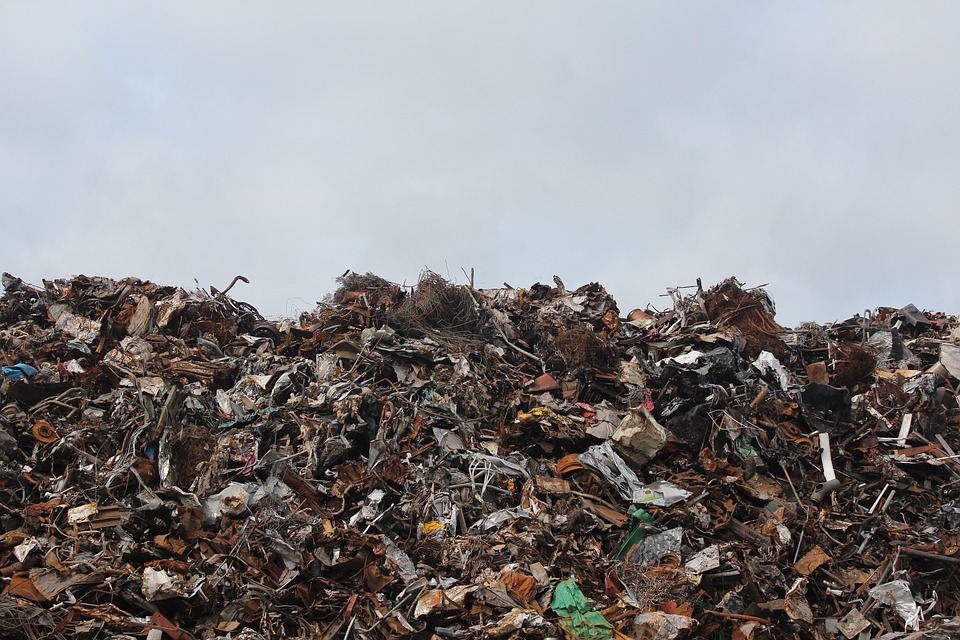 Poor waste management affects our biodiversity. From plastic pollution which affects our wildlife more so marine species who ingest microplastics and even plastics as a whole to climate change as a result of poorly managed landfills which are ideal conditions for bacteria that produce methane or burning of waste which releases potent greenhouse gases.
Wildlife is not the only ones who face the consequences of waste management, we also do. Our human health is at risk from soil and water pollution due to toxic chemicals, air pollution due to the release of gases affecting our respiratory health and even our psychological state as nature is therapeutic.
Education, training and raising awareness is key to proper waste management. This should start with local communities, small-scale businesses and entrepreneurs who can develop and run local waste management initiatives. This will, in turn, create employment, connect and influence the lives of communities.
Featured image: © Ken Gitau