The transition to clean energy in Kenya | Guest Post

All Life on Earth Matter | Guest Post
5th March 2020
The change we needed but did not expect
22nd April 2020
When carbon (CO2 or carbon dioxide) and other heat-trapping emissions are released into the air, they act like a blanket, holding heat in our atmosphere and warming the planet, this is referred to as global warming. Global warming is primarily a problem of too much carbon dioxide in the atmosphere. This carbon overload is caused mainly when we burn fossil fuels like coal, oil, and gas or cut down and burn forests. There are many heat-trapping gases (e.g. methane and water vapor), but CO2 has a higher risk of irreversible changes if it continues to accumulate unabated in the atmosphere.
Overloading our atmosphere with carbon has far-reaching effects for people all around the world, including rising sea levels, increasing wildfires, extreme weather, deadly heatwaves, floods, and more severe droughts.
For more than a century, burning fossil fuels has generated most of the energy required to propel our cars, power our businesses, and keep the lights on in our homes. Even today, oil, coal, and gas is still widely used . Energy is the main contributor to climate change, it produces around 60 percent of greenhouse gases according to the United Nations Development Fund (UNDP) Kenya. Coal, crude oil, and natural gas are all considered fossil fuels (non-renewable energy) because they were formed from the fossilized, buried remains of plants and animals that lived millions of years ago. Because of their origins, fossil fuels have a high carbon content. CO2 emissions from fossil-fuels, total (thousand metric tons) in Kenya was reported at 12350 in 2009, according to the World Bank collection of development indicators, compiled from officially recognized sources
Fossil fuels are not only a major cause of global warming but also cause environmentally unsafe compounds to form in the atmosphere, depleting ozone levels and thus creating a spike in skin cancer rates. Burning coal releases sulfur oxide while the combustion of car engines and power plants gives off nitrogen oxides, which cause smog. Water and oxygen bonding with those sulfur and nitrogen oxides also causes acid rain, which damages plant life and food chains. Areas of high air pollution indexes have populations with higher rates of asthma than cleaner environments do.
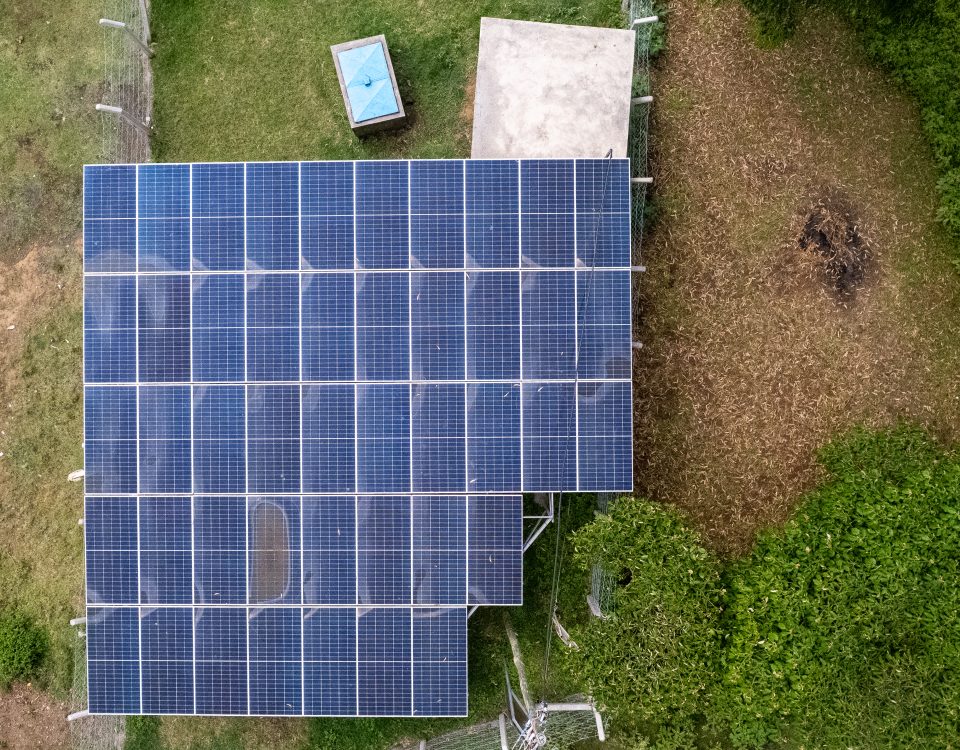
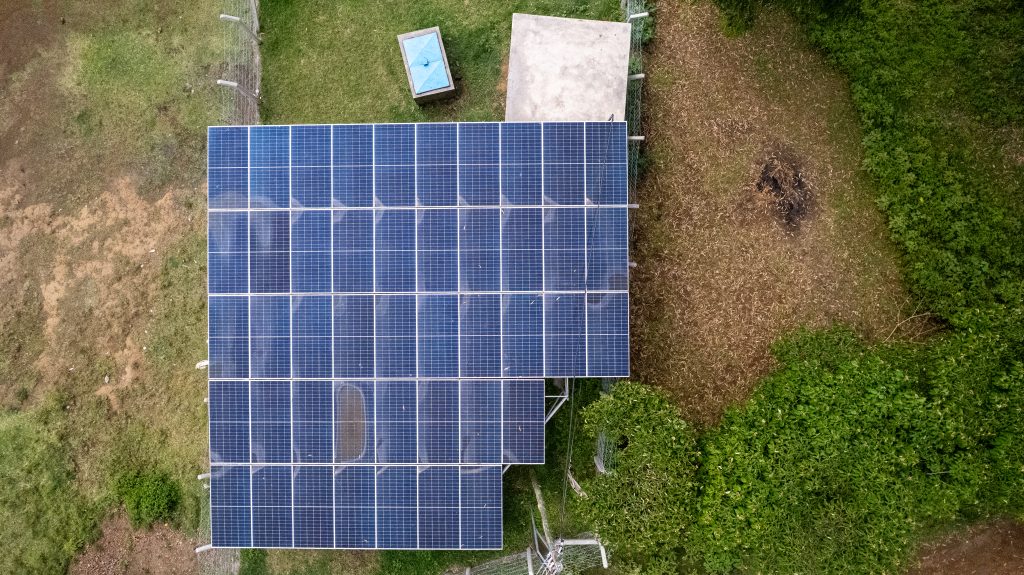
To mitigate the negative effects of non-renewable energy on the planet, we need to concentrate more on renewable energy sources and update more use of technology. The renewable energy sector in Kenya is among the most active in Africa.
In Kenya, investment grew from virtually zero in 2009 to US 1.3 billion dollars in 2010 across technologies such as wind, geothermal, small-scale hydro and biofuels. This is not saying that Kenya was never active in the renewable energy sector. Kenya is Africa’s first geothermal power producer and leads Africa in the number of solar power systems installed per capita. It is still the largest producer of geothermal power in Africa today at 200 MW with only one other African country producing geothermal power, Ethiopia.
Currently geothermal energy accounts for 20% of the total installed capacity of the Kenyan grid. Kenya is the first African country to tap geothermal power and the largest producer of geo-energy, harnessing power from steam released by hot rocks beneath the Rift valley. Other sources of renewable energy being exploited in Kenya are abundant sun and wind. The recently launched Lake Turkana Wind Power project is an eye-catcher being the largest in Africa with a capacity of 310-megawatt (MW).
Geothermal has a prominent place in Kenya’s overarching development plans’. Geothermal power has the potential to provide reliable, cost-competitive, baseload power with a small carbon footprint, and reduces vulnerability to climate by diversifying power supply away from hydropower, which currently provides the majority of Kenya’s electricity.
Kenya has an installed geothermal capacity of approximately 340 MW. Apart from the government’s efforts towards clean energy, there are private companies and individuals that are speeding the transition. For example the use of solar panel roofing tiles.
Tony Nyagah conceived the idea as a project for his masters class. Charity Wanjiku his co-founder, and sister, says their innovation integrates the solar panel into the roofing tile, allowing developers to construct their houses without worrying about the need to create an allowance for installation of panels on their roofs. The two-in-one tile also allows a roof to maintain an appealing design. The roofing is capable of powering all home appliances and even produce a surplus traditional photovoltaic solar panels distract the aesthetic of a roof. Something many homeowners dread. Solar tiles enable you to cut on the cost of energy as well as maintain the beauty and appeal of the house design. Solar tiles will revolutionize energy use in Kenyan homes that have been heavily reliant on charcoal and firewood.
Another innovation is the jikokoa – BURN. Jikokoa uses 50% less charcoal and cooks faster than the ordinary jiko. The non-slip pot stands grip all sufurias firmly to ensure you have a smooth cooking experience. The jikos come with a no-mess ashtray & reduce carbon dioxide emission for a clean cooking environment.
There are other companies such as M-kopa Solar that provides an alternative source of lighting homes for those that are not connected to the national grid. The package comes with a solar panel, a TV, a radio, a torch a lithium battery and bulbs. This has provided light and entertainment to the underprivileged as the payment can be done in installments.
Theses are just to sample but a few of the ways that Kenya is moving forward to in eliminating the use of fossil fuels.
For Kenya to achieve its goal of relying on 100% renewable energy by 2020 as earlier conceived, the government should support and incubate ideas that promote clean energy. There are young Kenyans who have great ideas but lack the support needed.
Written by Timmonah Kanam
Timmonah is an environmentalist who is interested in ways we can apply modern technology and innovation to mitigate climate change and educate on environmental consciousness. Follow him on LinkedIn.