
The Slender-Billed Curlew Has Been Declared Extinct

Teachers and Equity Group Champion Sustainability Through Tree-Planting Ahead of World Teachers’ Day
3rd October 2025
Kenya’s Masai Mara Faces the Challenge of Balancing Tourism Growth with Wildlife Conservation: CNN’s Marketplace Africa Explores the Preservation of ‘The Great Migration’
14th October 2025
I was going through my daily scroll on X when I came across news of the slender-billed curlew being officially declared extinct. For those unfamiliar, this is a migratory shorebird species. Immediately, as a birder, it caught my attention, and I went down a rabbit hole to understand what actually happened. When a bird goes extinct, we barely hear about it since mainstream media tends to focus on large, charismatic species like rhinos or elephants. These smaller creatures, critical to our ecosystems, rarely get the spotlight. The reality, though, scientists estimate that many species go extinct before we even discover them, and current extinction rates are estimated to be 100 to 1,000 times higher than the natural background rate. Birds, insects, amphibians, and countless other species are disappearing while the world’s attention remains elsewhere.
The slender-billed curlew (Numenius tenuirostris) is the first known bird extinction from mainland Europe, North Africa, and West Asia. The last confirmed sighting was in Morocco in 1995. After three decades of searching, scientists (I wonder what their pain point was in spending years looking for this one species) calculated a 96% probability that the species no longer exists. The bird simply vanished, slipping from wetlands and steppes where it had lived for millennia. I sit here hoping it is just living its best life in hiding.
A Tragedy of Migration
The thing about birds is that they are so sensitive to environmental changes, and losing just one bird species is dangerous for ecosystems and ultimately for us humans. Even though they can fly and move vast distances, many birds still face the danger of returning to places that can no longer support them, driven by instinct to migrate back to breeding or wintering grounds that have been degraded or destroyed.
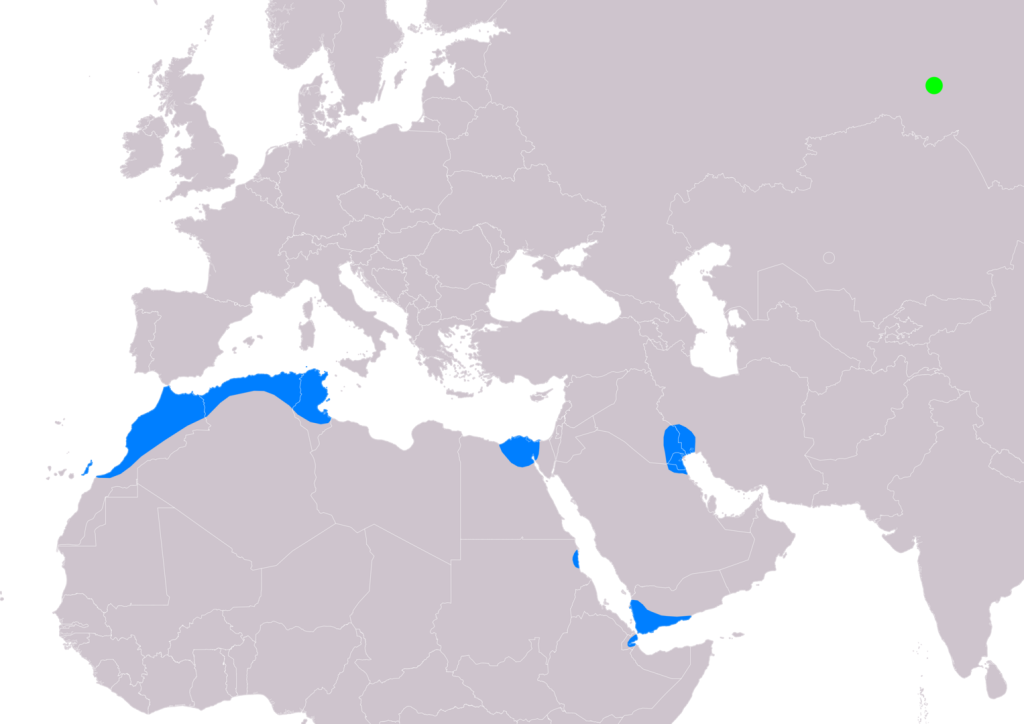
This was the fate of the slender-billed curlew. The species once bred in the raised bogs and wetlands of western Siberia and wintered around the Mediterranean Sea. But their migratory instinct became their undoing. They returned each year to places that could no longer sustain them.
Why One Bird Matters
The extinction of a single bird species echoes through entire ecosystems. Shorebirds like the slender-billed curlew play crucial roles:
Nutrient cycling: Migratory birds transport nutrients across vast distances, from breeding grounds to wintering areas, fertilising ecosystems along their routes.
Indicator species: Their sensitivity to environmental changes makes them early warning systems for ecosystem health. When shorebirds vanish, it signals broader environmental collapse.
Food web connections: Shorebirds control invertebrate populations in wetlands and provide food for predators. Their loss destabilises these relationships.
Wetland health: These birds help maintain the health of wetlands. These are ecosystems that filter water, prevent flooding, store carbon, and support countless other species.
A Pattern of Decline
The same forces that destroyed the slender-billed curlew continue to decimate shorebirds and other bird populations worldwide. Habitat loss follows a predictable pattern: wetlands are “unproductive” land in capitalist terms, generating no immediate profit. So they are drained for agriculture, filled for development, or polluted by industry. Indigenous and local communities that lived sustainably with these ecosystems for generations are displaced. The land is integrated into global markets. And the birds vanish.
This is the belief that nature exists to be conquered and commodified, that economic growth justifies ecological destruction, and that the Global North’s consumption is worth more than the Global South’s biodiversity.
What This Means for Humanity
When we lose birds, we lose more than beauty and biodiversity. We lose:
Food security: Healthy bird populations control agricultural pests and pollinate crops.
Water quality: The wetlands that shorebirds depend on also purify our water supplies.
Climate regulation: Wetlands and the ecosystems birds maintain are crucial carbon sinks.
Early warnings: Birds alert us to environmental problems before they become human crises. Pollution, habitat degradation, and climate change all show up in bird populations quickly.
The Wake-Up Call – Maybe
The slender-billed curlew’s extinction happened despite being known to science, despite conservation treaties, and despite protected areas. It went extinct because the economic systems driving its destruction were more powerful than the conservation efforts trying to protect it.
This extinction exposes an uncomfortable truth: we cannot protect species while maintaining economic systems built on endless extraction and growth. Conservation efforts that do not challenge capitalism and its roots treat symptoms while ignoring the disease.
The wetlands were drained because they were “unproductive.” The steppes were ploughed because industrial agriculture was “efficient.” Through it all, the wealth generated flowed upward and northward, while the ecological cost was externalised onto the planet and future generations.
Every bird that vanishes takes with it millions of years of evolution, ecological relationships we barely understand, and another thread in the web that sustains all life on Earth, including our own. But more than that, each extinction is a moral failure, a consequence of choosing greed over stewardship, profit over preservation, and economic growth over planetary survival.
Featured image by Huub Veldhuijzen van Zanten/Naturalis Biodiversity Center, CC BY-SA 3.0, https://commons.wikimedia.org/w/index.php?curid=45550096