How we can take responsibility for our natural resources

Why proper waste management should be a habit
19th June 2019
Communities want control of the nature and wildlife they live with
26th June 2019
It’s no secret that Dumi would rather protect wildlife than see it disappear in the hands of poachers. Coupled with the challenges he faces in his own life, with a sister who is unwell and a family to take care of, he has an easier option of destroying what he loves to protect and get easy blood money. In spite of this, he passionately teaches his niece on wildlife in the simplest and fun of ways and clearly, it is paying off.
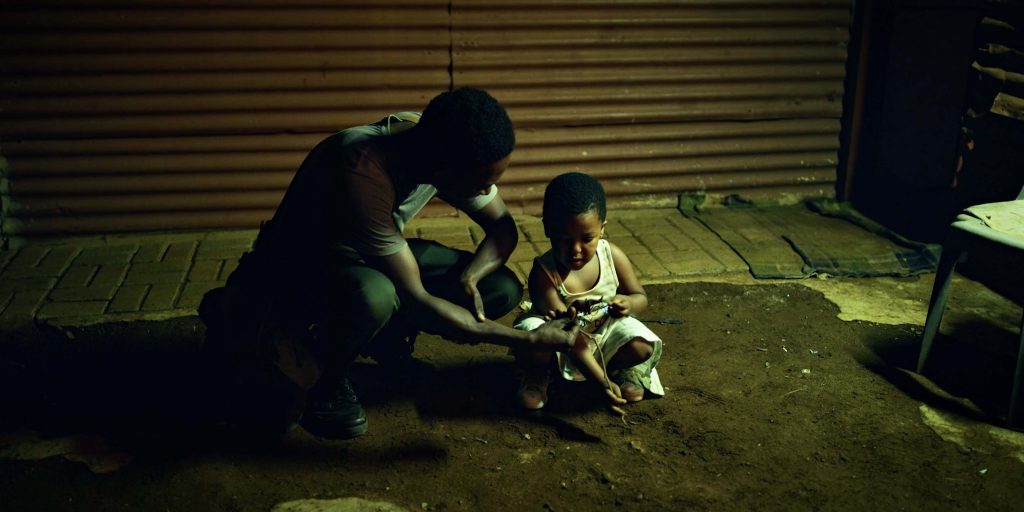
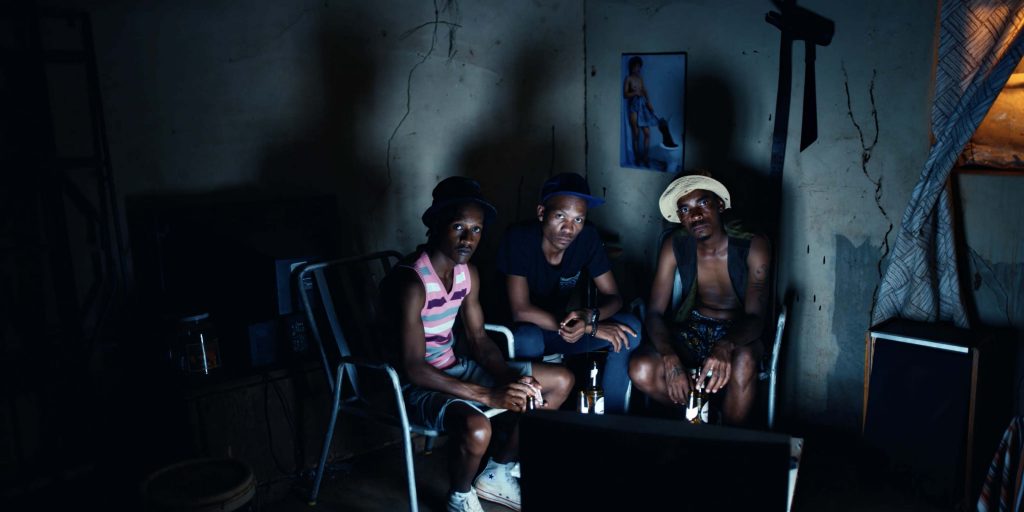
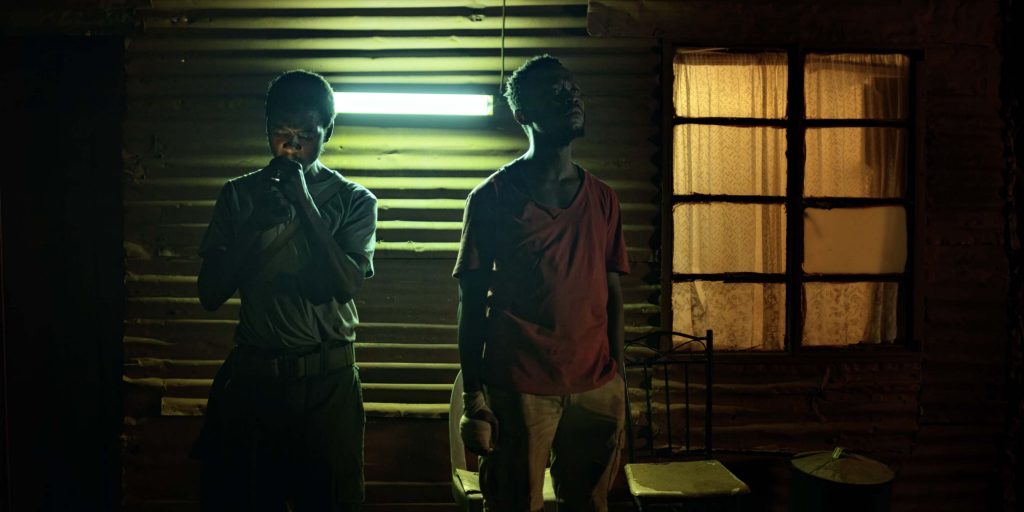
However, the challenge arises when his brother in – law, Sello, is involved in a poaching gang. A well-known gang that sees Dumi as a threat, a white man follower, and have it all planned to make sure he doesn’t interfere in their mission. Sello has no choice as he has no job and needs to take care of his family and is tired of chopping wood. According to him, as imposed by the Head poacher, poaching is the only way out. The gang goes to the extent of causing harm to Dumi’s family in an effort to silence and threaten him further.
Poachers receive up to $3,000 per rhino horn which is enough to support their family for a year. International crime syndicates, sell that same horn in Asia for $300,000 using profits to fund drug trafficking, human trafficking and poaching.
Would you kill, arrest or sanction your brother or best friend if he was a poacher?
This question is mind-boggling. As I watched Sides of a Horn, one thing was clear, it’s not going to be an easy decision. Every day, rhinos, elephants, pangolins and other wildlife are poached for their products. Wildlife crime is a highly organized activity in the same line with drugs, arms and human trafficking. Poaching is obviously not done by the consumer or the top syndicates. It is done by local communities, more so, those who live near protected areas.
Sides of a Horn is a powerful film based on actual events that tell the story of Africa’s poaching war from both sides of the fence. The film has shown how families are been torn apart all at the expense of fueling the illegal wildlife trade. Does this need to happen?
We can make a difference
Behaviour change is critical, not just for the poachers but the end consumer as well. Vietnam is the largest rhino horn consumer in the world and is contributing to the rhino crisis in Africa. People in Vietnam believe rhino horn can treat hangovers, fever, and gout and terminal illnesses such as cancer or stroke. It is also considered a status symbol of wealth in the country.
Rhino horn in Vietnam and other Asian countries is thus part of their culture and the people. They do not feel stigmatized as being rhino horn consumers. For most of them, they consider what is happening in Africa, the near extinction of a species that has survived 50 million years, as a crisis that is happening far away and will not affect them in any way.
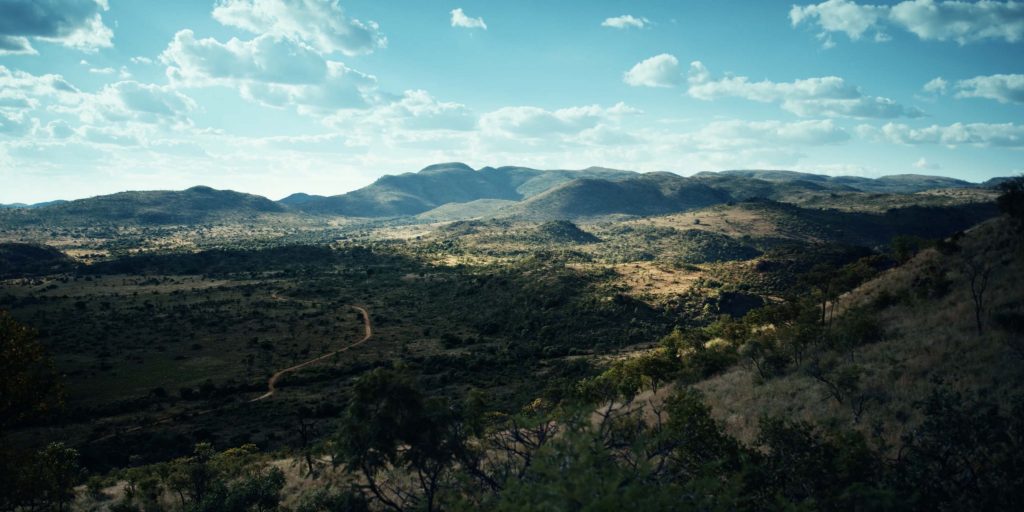
Building capacity so that a poacher does not see the need to destroy natural resources is important. Most Africans do not see wildlife the same way a tourist or a foreigner does. To them, wildlife conservation remains a foreign luxury – a white person’s [‘mzungus’] business. Wildlife conservation should be able to benefit the African people who will see that not only does it support their children, families and build their livelihoods but they can also be part of it. By nurturing an attitude where Africans can take responsibility for their natural resources and have pride for it, we can protect the environment.
When Africans see wildlife as belonging to them, by being involved in it wholly, such as providing goods and services to in the tourism and wildlife conservation industry, which will earn them income, then they will not see the need to poach as they are supporting to build it. In the end, they get a meal and a means to take care of their families.
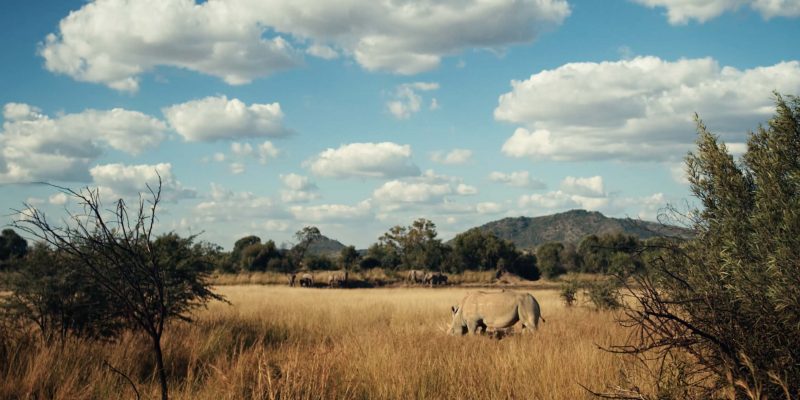
Wildlife crime is very organized and laws need to be strengthened in order to protect wildlife. Key policymakers, international organizations, and corporations need to be encouraged to impose sanctions, create wildlife-friendly policies, and prosecute wildlife traffickers to the fullest extent of the law.
Environmental education needs to be a serious part of the African curriculum. When a child grows up understanding the role of animals and plants to our ecosystem they can be able to know that other than providing us with essential values such as ecosystem services we also get utilitarian values such as tourism revenue. He or she will be more likely to see the worth of a rhino alive and the importance of our entire biodiversity which is part of our culture.
https://www.youtube.com/watch?v=6pWVg-ZpTQk
All images © Sides of a Horn.