
10 supercars set to reduce pollution caused by fuel-run cars

Young Eco-Warriors at Green Kids Award 2018
6th June 2018
Batting the fate of the Northern White Rhino
11th June 2018
A future where Formula One has lightning speed charged cars! Well, that is why we have Formula E.
The one main difference between fuel and electric cars is the silence and an increased effort to reduce global warming, obviously. Electric cars do not produce combustion sound as cars that use fuel since there is no combustion required in producing electricity. When Thomas Edison discovered the light bulb, never could he have imagined electricity could be used in cars until Nikola Tesla happened.
The future is already here with electric and hybrid cars. For petrol heads, the thought of electric and hybrid cars is distressing. What’s the point of a silent car, which requires charging every few kilometres? However, with today’s hybrid cars, using fuel to charge the electric battery provides a combination of power and performance while consuming less fuel at the same time. Technically, hybrid cars are able to maximize energy that could be wasted on normal fuel cars. For instance, when a hybrid car brakes, the energy is used to charge the electric battery and drive the motor.
The first hybrid car to be launched was the Toyota Prius in 2005-2006. This started a conversation and an interest in the production of hybrid cars for the common man. However, there is a niche segment of the population that would prefer supercars. For more than ten years since the Prius was launched (a rather dull looking car), the automobile industry has the seen prestigious car manufacturers such as Ferrari, McLaren and Mercedes joining the hybrid movement. Considering the fact that supercars use way more fuel than normal cars, this is the now we need with the rate of air pollution been high in the majority of urban cities.
What’s here already and what can we look forward too soon?
-
Ferrari LaFerrari
Ferrari is a popular supercar. LaFerrari, their first hybrid model has a 6.3-litre V12 petrol engine delivering 800bhp and a 163bhp from the on-bard electric motor adding up to 963bhp providing a top speed of above 349kph. That is fast. Well, that is what supercars do.
So what happens? On the move, energy is harvested using Ferrari’s Hy-KERS system that takes power from the brakes, ABS system, traction control and even E-Diff. High performance is key for any Ferrari. With this green technology providing a light, fast and a powerful car, it is clear the hybrid movement is here to stay. The only shortcoming is LaFerrari cannot be driven on full electric mode.
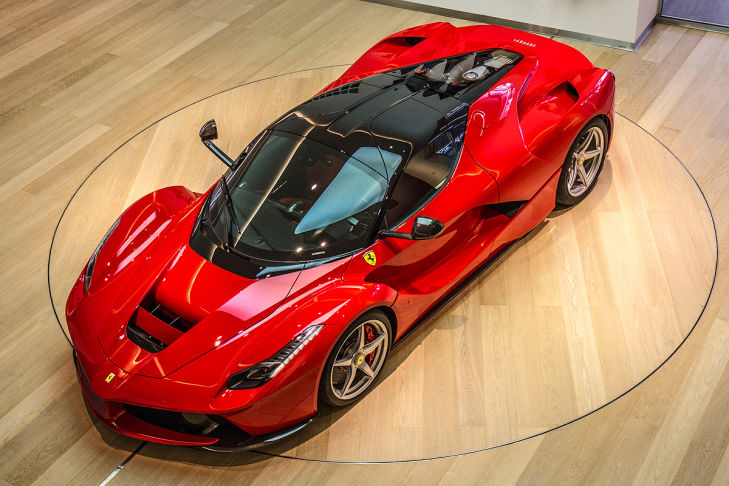
Ferrari LaFerrari © vwvortex.com
-
McLaren P1
McLaren P1 has a base engine with a twin-turbo 3.8-litre V8 engine delivering 727bhp. The electric motor adds 176bhp the total being 903bhp.
The McLaren P1 is a rear-wheel-drive car with both the petrol engine and the electric motor giving power to the rear wheels. The aerodynamic design and the build of its chassis have been compared to the Formula One model and has a full eco drive mode.
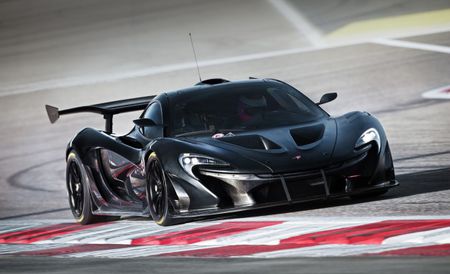
McLaren P1 © caranddriver.com
-
Porsche 918 Spyder
Porshe’s hybrid drive system for its 918 Spyder supercar has a 4.6-litre V8 engine producing 599bhp coupled with two electric motors.
One electric motor transfers power to the front wheels with a power output of 154 bhp and the other one sends power to the rear wheels with an output of 125bhp. The top speed is 344kph.
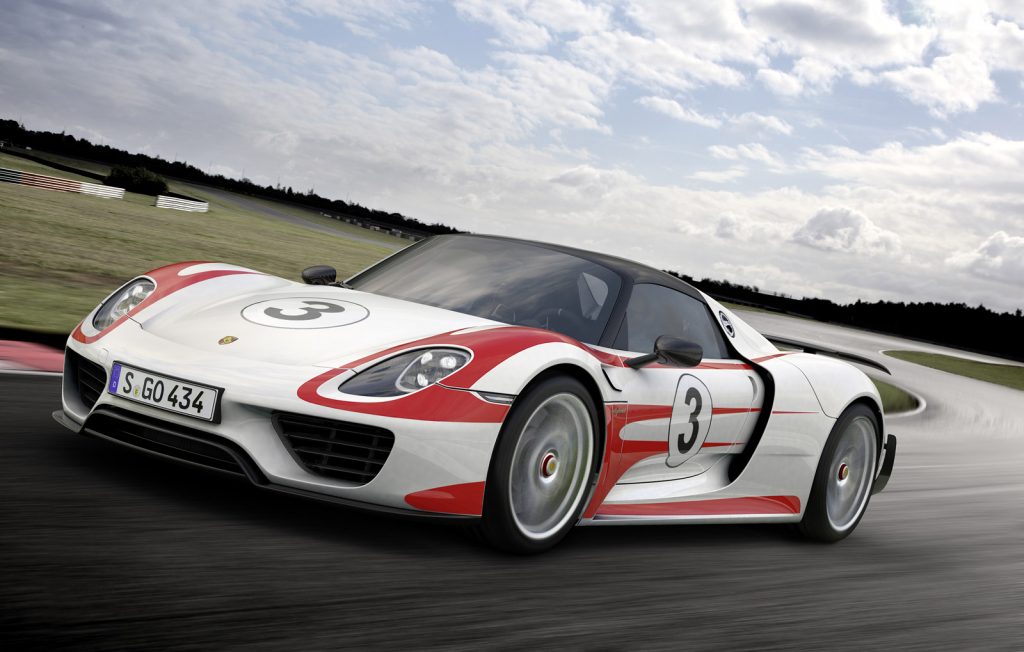
Porshe 918 Spyder © motorauthority.com
-
BMW i8
The i8 uses a 1.5-litre, 3-cylinder, turbocharged petrol engine that outputs 237 bhp of power to the rear wheels while the electric motor churns out 120bhp of power to the front wheels for a total of 357bhp.
This hybrid plug-in supercar is said to be the most fuel-efficient car consuming only 2.5 litres of petrol per 100km when driven in Eco mode.
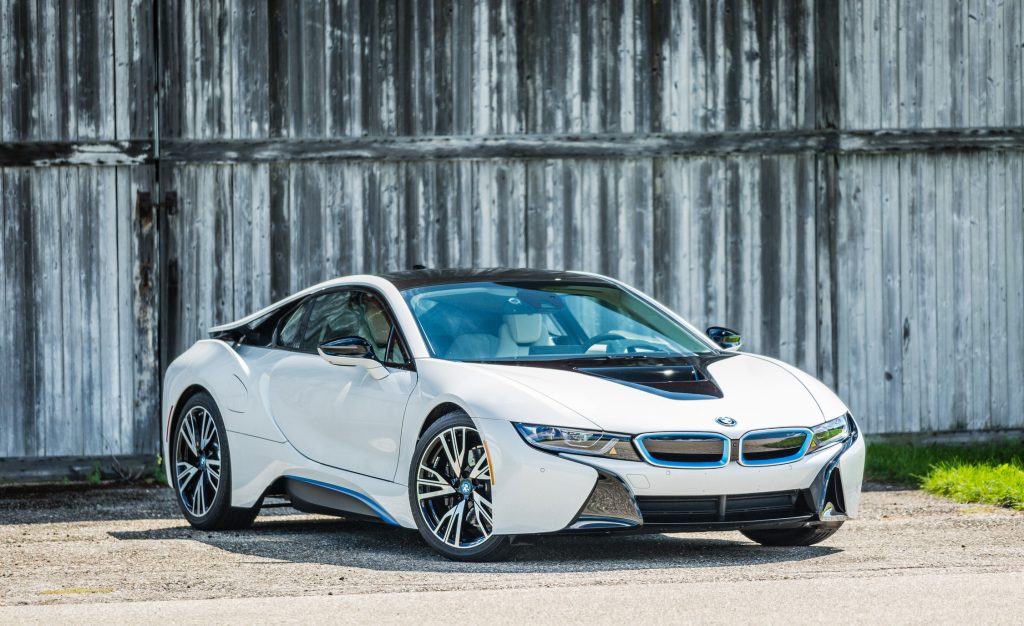
BMW i8 © caranddriver.com
5. Porsche Panamera 4 E-hybrid
The Panamera 4 is a plug-in vehicle with a 14.0-kWh lithium-ion battery providing a combination engine which delivers through its twin-turbo 4.0 litre V8 engine making 550 bhp.
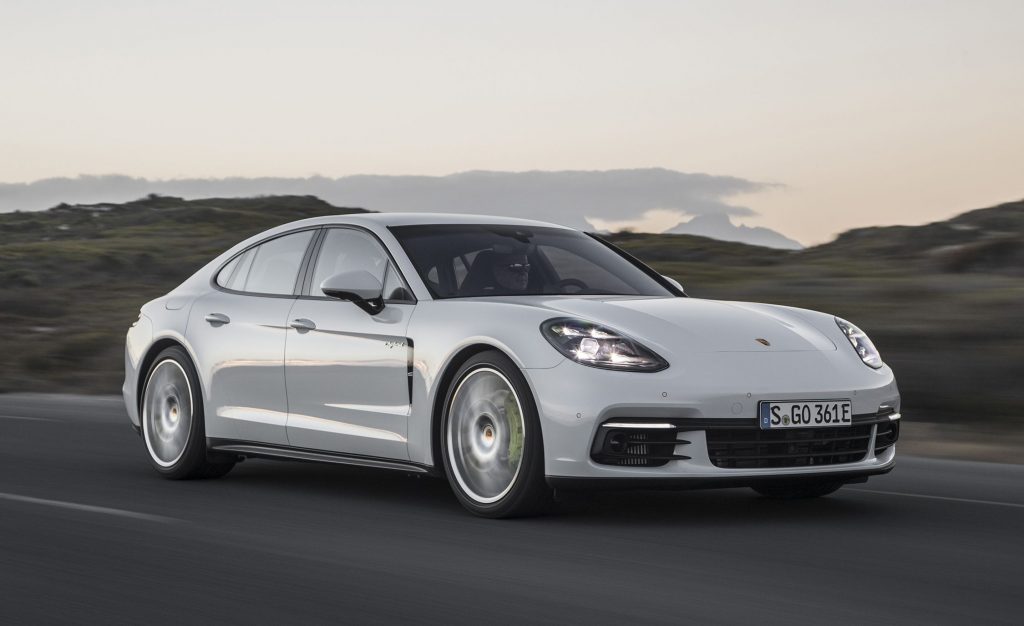
Porshe Panamera © caranddriver.com
-
The Acura NSX
This hybrid features instant acceleration and access to a 573bhp power unit and is the first supercar powered by a bespoke Sport Hybrid Super Handling All-Wheel Drive. It has a twin-turbocharged, 3.5-litre V6 engine.
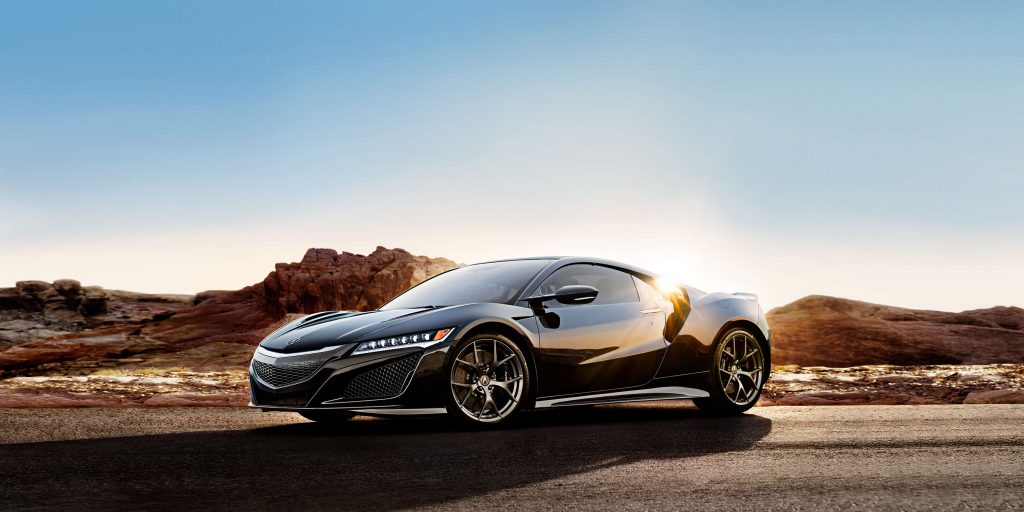
Acura NSX © nsx.acura.com
-
Mercedes-Benz SLS AMG E-Cell Roadster
The AMG E-Cell is all electric with a total of four electric motors totalling 740bhp.
The Mercedes SLS AMG E-Cell Roadster is capable of 250 kilometres on a charge and can top to full, via a 400-volt wall box, in just three hours.
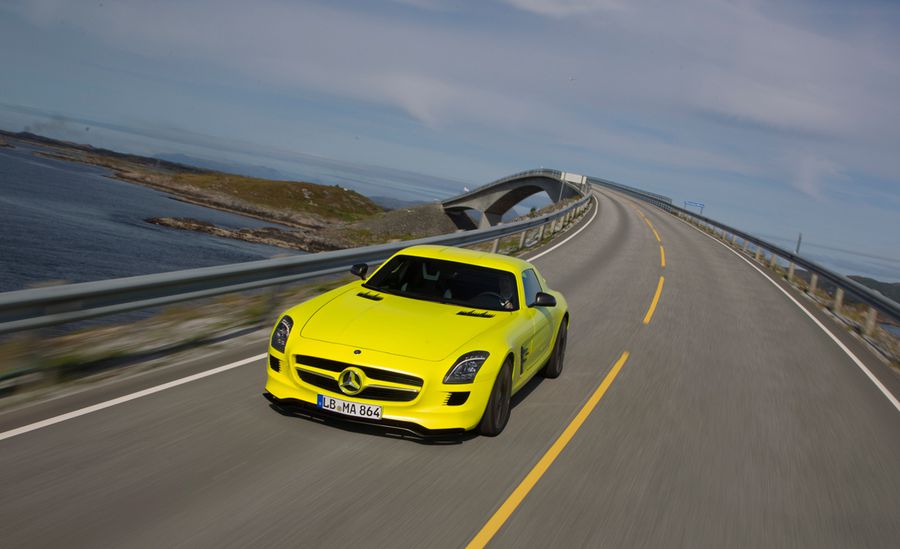
Mercedes-Benz SLS AMG E-Cell Roadster © caranddriver.com
-
Rimac Concept_One
A first for Croatia, the Concept_One features four permanent magnet synchronous electric motors driving each wheel for a total of 1,088bhp providing a top speed of over 165mph. The Rimac is fully electric and has been considered the fastest electric car.
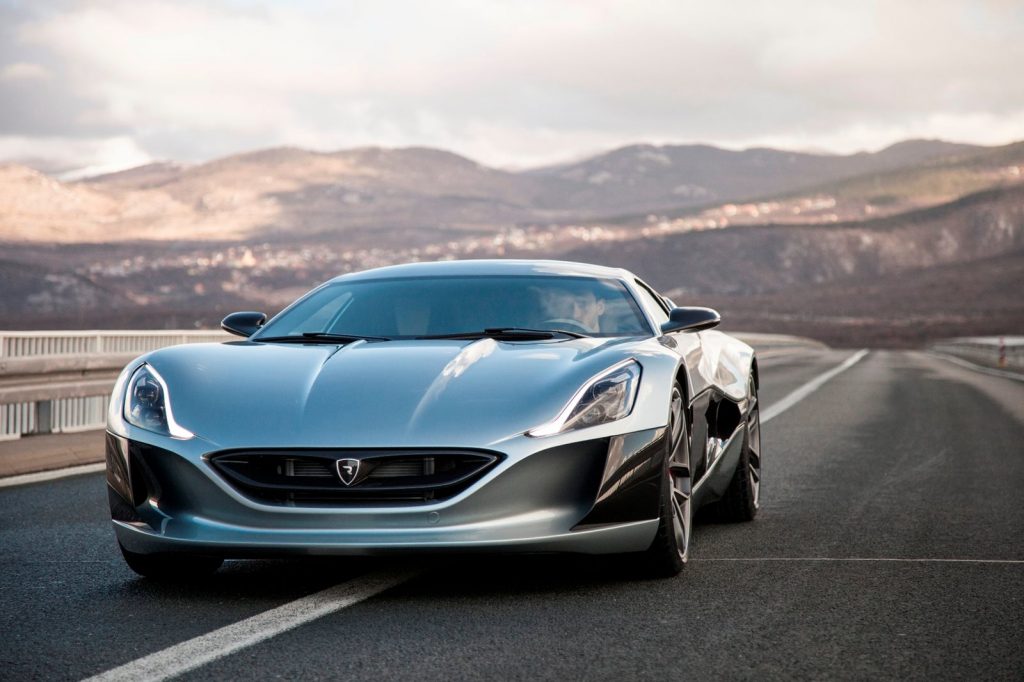
Rimac Concept_One © carbuzz.com
-
Tesla Model S P85D
Another all-electric supercar, the Tesla Model S P85D has a total of 691bhp 85kWh power.
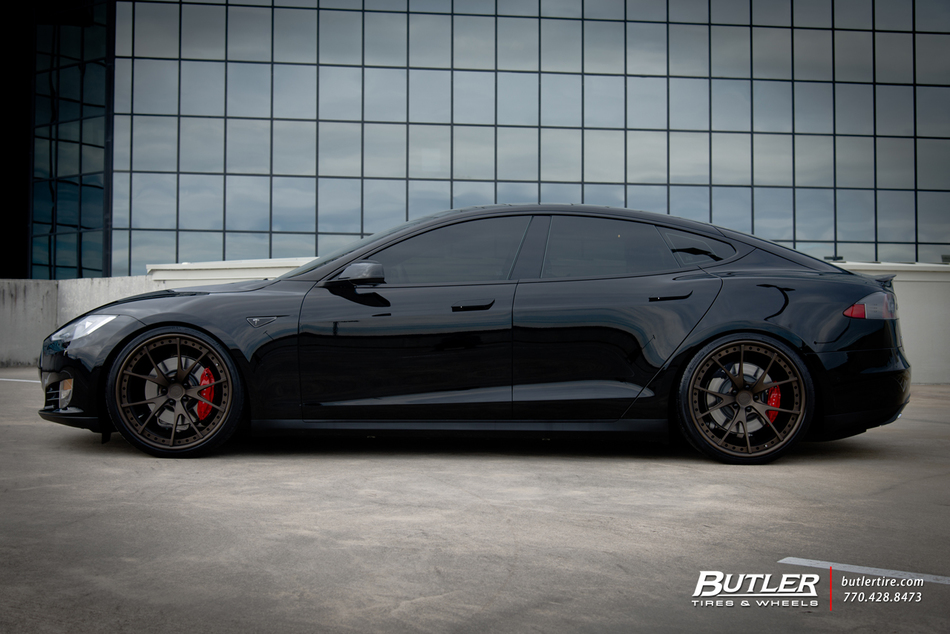
Tesla Model S P85D © butlertire.com
-
Audi R8 e-tron
The Audi R8 e-Tron is full electric with a 456bhp electric motor. This car can also manage a range of 450 Kilometres on a charge.
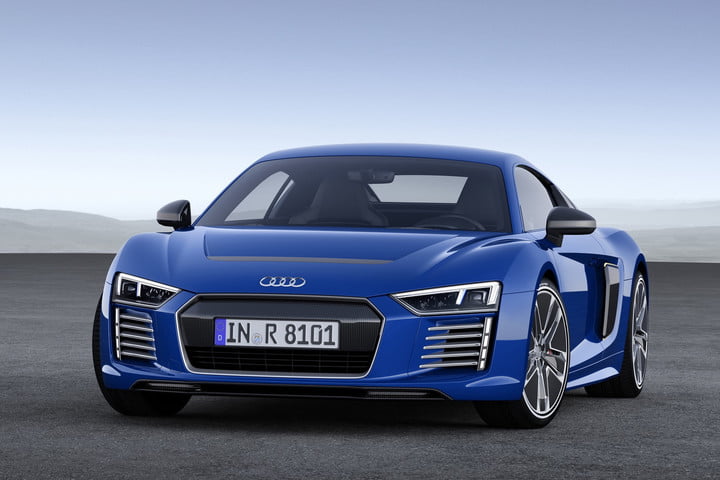
Audi R8 e-Tron © digitaltrends.com
Side Note:
Even though these cars are exclusive, the idea is to remind us when the luxury car industry is investing in green technology to reduce pollution and provide a better future for everyone and even the non-human world, what are you doing!


2 Comments
[…] Also read: 10 supercars set to reduce pollution caused by fuel-run cars […]
[…] Also read: 10 supercars set to reduce pollution caused by fuel-run cars […]